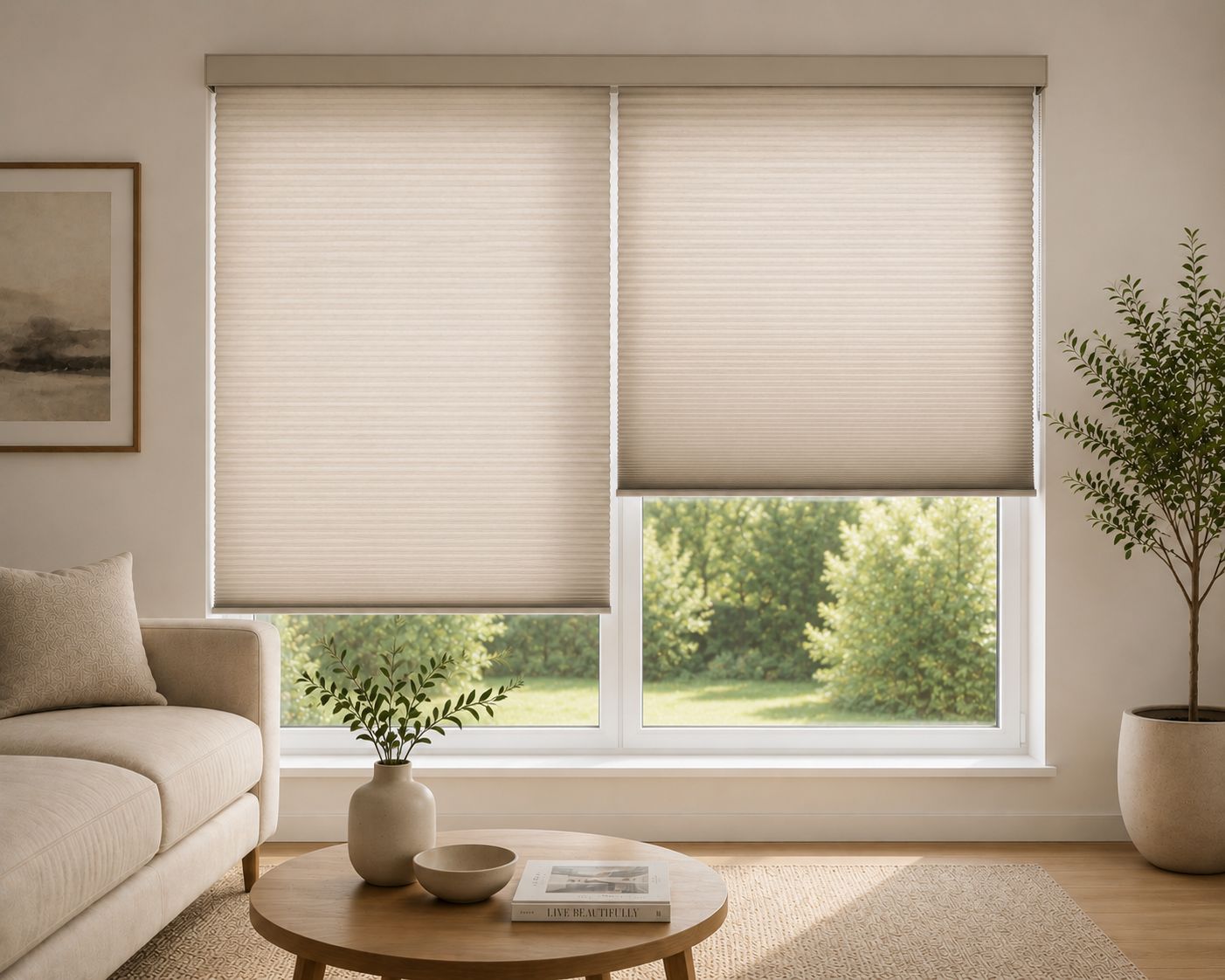
Hexagonal fabric cells trap a pocket of air against the glass for genuinely better insulation, privacy and light control — not just another window covering. Single cell, double cell, light-filtering and blackout options available. Free in-home measurement and professional installation across Vancouver, West Vancouver and North Vancouver.
Made to Measure
Single Cell · Double Cell · Blackout
Our Honeycomb Blinds
Honeycomb blinds — also called cellular blinds or cellular shades — are built from pleated fabric folded into a row of hexagonal cells rather than one flat panel. Each cell traps a pocket of air between the glass and your room, which is what sets honeycomb apart from every other blind we install: it's the one style engineered specifically for insulation, on top of the light control and privacy every blind offers.
No two homes are the same, so we don't sell off-the-shelf sizes. One of our specialists visits your home, measures every window, and brings real fabric samples — single cell, double cell, light-filtering and blackout — so you can see and feel the options in your own light before you decide, free of charge and with zero obligation.
We'll bring real fabric samples to your home · Free consultation
Fabric & Opacity Options
Three ways to control light and privacy — from a soft daytime glow to complete darkness, with the flexibility to choose both in the same window.

A blackout-lined cell blocks light and outside view almost completely — and because it's still a honeycomb cell, it adds insulation on top of full darkness for cold bedroom walls.

Soft, diffused daylight without losing privacy — the go-to choice for living rooms, kitchens and home offices where you still want the room to feel bright.

Lower the top for privacy while letting light in from below, or reverse it — a favourite for large, street-facing windows across Metro Vancouver.

Built-In Insulation
The cellular design is the reason to choose honeycomb over another blind — here's what that trapped air actually does.
Single Cell vs. Double Cell
Single cell blinds trap one layer of air for solid, budget-friendly insulation. Double cell blinds stack two rows of cells for meaningfully better thermal performance — worth the upgrade on north-facing or drafty windows.
Thermal Insulation
The trapped air layer buffers your room from the glass, keeping heat in during Vancouver's damp winters and out during summer — lowering the load on your heating and cooling.
Noise Reduction
The same air pockets that block temperature transfer also dampen outside noise, a moderate but noticeable benefit on busier Vancouver and Burnaby streets.
Privacy, On Your Terms
Pair a blackout cell with top-down bottom-up operation for full-height privacy whenever you want it, without giving up daylight the rest of the time.
Free in-home consultation · No pressure, no obligation
How It Compares
All popular window coverings — here's what actually separates them.
Honeycomb vs. Roller Shades
Roller shades are a single flat panel — clean and simple, but with no air pocket, so they don't add meaningful insulation. Honeycomb's cellular structure is the difference if energy efficiency matters to you.
Honeycomb vs. Venetian Blinds
Venetian (horizontal slat) blinds give sharp light control but leave gaps at every slat edge, letting heat and noise pass through more freely than honeycomb's sealed cells.
Honeycomb vs. Pleated Blinds
Pleated blinds look similar at a glance — both use folded fabric — but pleated shades are a single flat accordion fold, not a cellular one. Honeycomb's hexagonal cells create the sealed air pocket pleated fabric doesn't have, which is why honeycomb wins on insulation even though the two can look alike.
Room by Room
The right cell size and opacity depends on what each room needs.
Bedrooms
Blackout honeycomb cells block light almost completely while adding insulation to often-cold bedroom walls — a common upgrade for better sleep.
Living Rooms & Large Windows
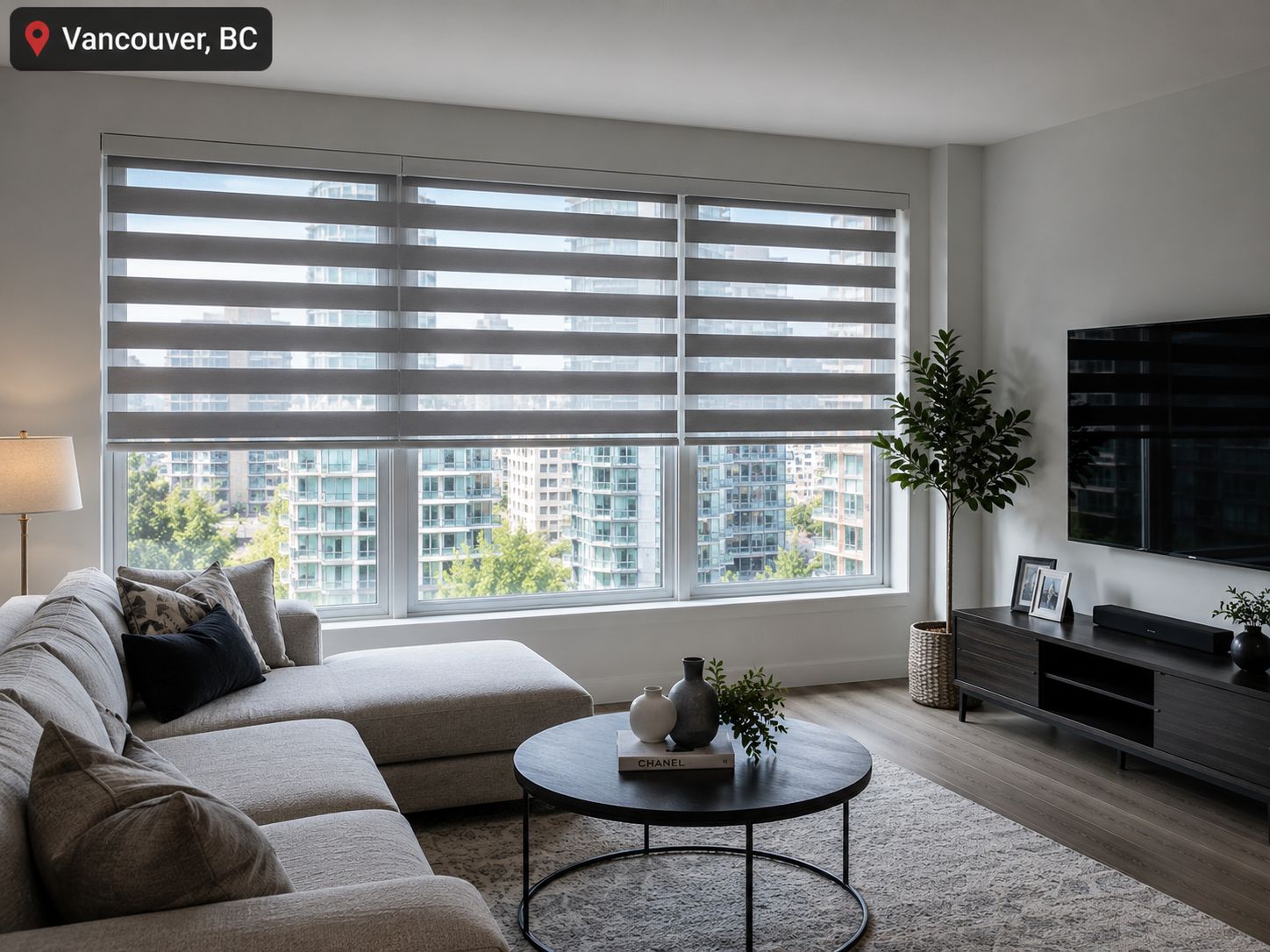
Double cell honeycomb blinds handle big glass well, cutting heat loss through the room's largest surface while keeping a light-filtering look.
Kitchens & Bathrooms
Light-filtering cellular shades brighten these rooms without the moisture concerns of heavier fabric window coverings.
Home Offices
Adjustable top-down bottom-up honeycomb blinds cut screen glare during video calls while keeping the room feeling open.
Free in-home consultation · No pressure, no obligation
How It Works
From first call to finished window, here's what to expect.
Book a Free Consultation
Call or request a quote online and we'll schedule an in-home visit at a time that works for you.
Measure & Choose Cell Size
We measure every window precisely and bring real single cell, double cell, light-filtering and blackout samples so you can compare insulation and light control in your own home.
Custom Fabrication
Your honeycomb blinds are made to measure for your exact windows — no gaps, no standard sizing, no compromises.
Professional Installation
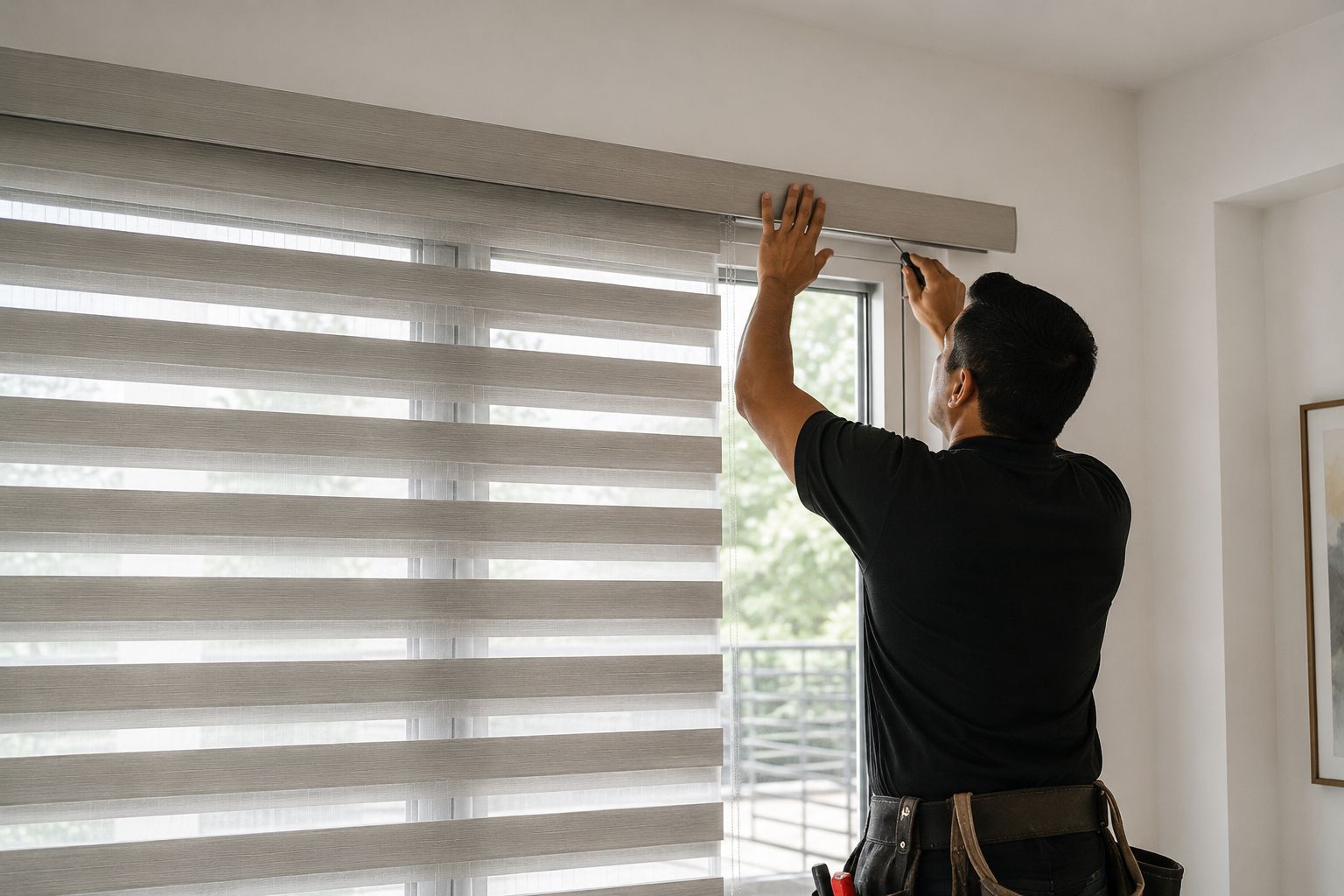
Our team installs cleanly and efficiently, often completing an entire home in a single visit, fully guaranteed.
Service Areas
We focus our honeycomb blinds installs on Vancouver, West Vancouver and North Vancouver homes — with availability across the rest of Metro Vancouver on request.
Also serving Burnaby, New Westminster, White Rock, Surrey, Richmond, Coquitlam, Langley & Delta.
Installation Gallery


Client Reviews
Motorized blackout blinds throughout our new build. Flawless install, smart home integration worked first try. Best home upgrade we’ve ever made.
Called three companies. SMI’s quality and attention to detail were in a completely different league. Best investment we’ve made for our condo.
Free consultation was genuinely helpful — no pressure, real honest advice. The team took the time to walk us through every fabric option.
Common Questions
Honeycomb blinds — also called cellular blinds or cellular shades — are made from pleated fabric folded into a row of hexagonal cells rather than one flat panel. Each cell traps a pocket of air between your window and your room, giving the fabric structure its name and its main advantage: insulation that a flat blind simply can't match.
Yes — honeycomb blinds are the window covering built specifically for insulation. The trapped air layer inside each cell buffers your room from the glass, helping keep heat in during Vancouver's cool, damp winters and out during summer, which can meaningfully reduce the work your heating and cooling system has to do.
They can look similar at a glance since both use folded fabric, but the construction is different. Pleated blinds are a single flat accordion fold with no air pocket, while honeycomb blinds form enclosed hexagonal cells that trap insulating air. If energy efficiency is the priority, honeycomb is the stronger choice.
Single cell blinds have one row of cells and trap one layer of air, giving solid, budget-friendly insulation. Double cell blinds stack two rows of cells for meaningfully better thermal performance and sound dampening — worth considering for north-facing, drafty, or street-facing windows.
For most bedrooms, yes. A blackout-lined cell blocks light and outside view almost completely, and — because it's still a honeycomb cell — adds insulation on top of that darkness, useful against colder exterior bedroom walls. Light-filtering honeycomb blinds remain the better fit for rooms where you want brightness during the day.
Yes. The same trapped-air structure that keeps heat in during winter also slows heat transfer from hot windows into your room in summer, which is why honeycomb blinds are often recommended for west- and south-facing windows that get strong afternoon sun.
Somewhat — the sealed air pockets that block temperature transfer also dampen some outside sound, more noticeably with double cell fabric. It's a real but moderate benefit, not a replacement for dedicated soundproofing, on busier streets around Vancouver and Burnaby.
Regular dusting with a vacuum brush attachment or a hairdryer on the cool setting works well, since the cell pockets can collect more dust than a flat blind. For marks, a barely damp cloth on the fabric surface is usually enough — avoid soaking the material, as moisture can affect the cell's shape over time.
Yes — double cell fabric in particular holds its shape well across wide spans, and the insulation benefit is greatest on a large window, since that's where the most heat is typically lost. Motorized operation is worth considering on oversized or hard-to-reach glass.
Free in-home consultation · No pressure · No obligation
Contact Us
One of our specialists will visit your home, measure every window, and bring real fabric samples — at no cost to you.
Thank you! We'll be in touch within a few hours to schedule your free in-home estimate.