 SMI Window Blinds & Coverings
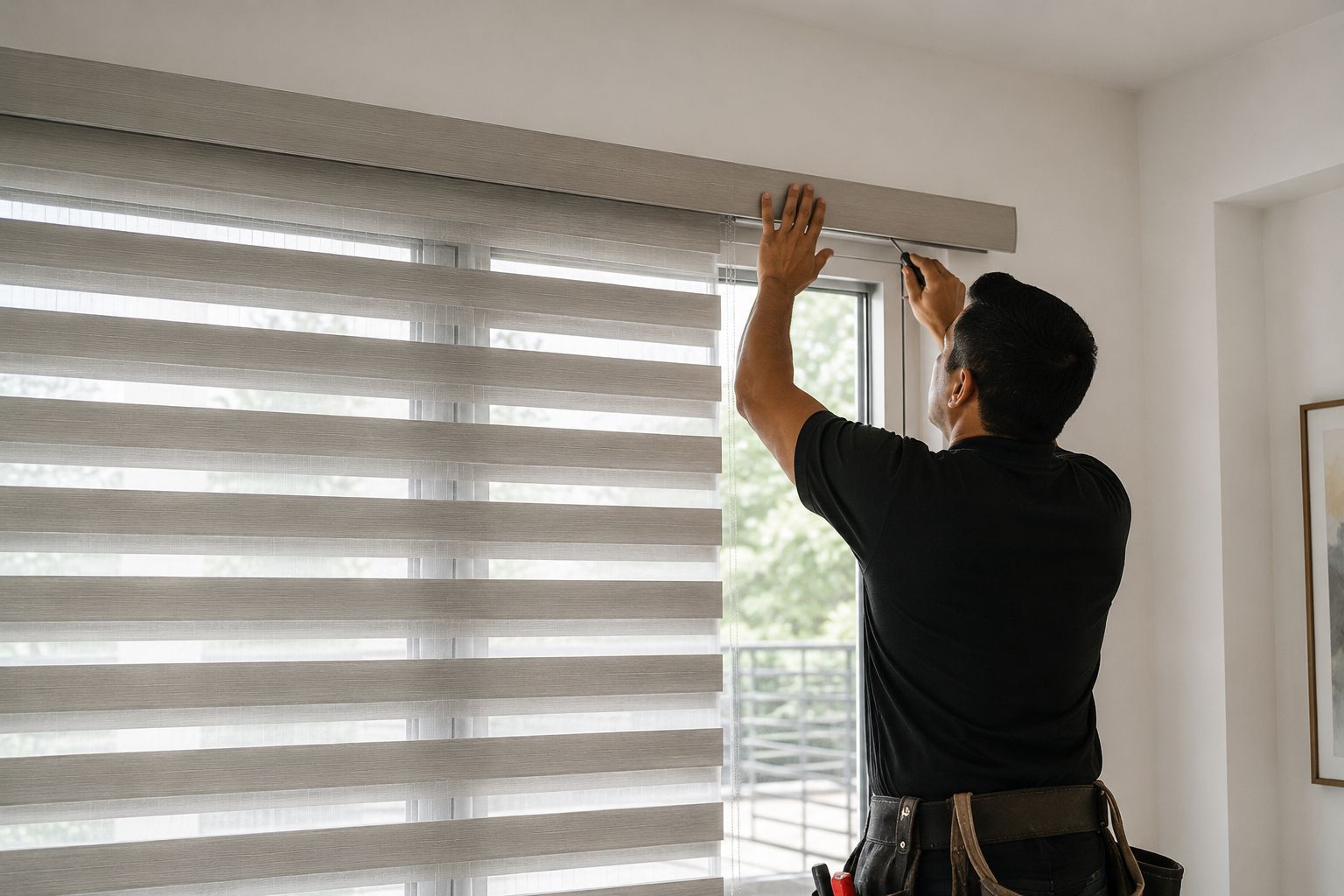
Why Professional Installation Matters
Choosing the right blinds for your home is only half the equation — how they're installed determines whether they actually look and perform the way you expect. Poor installation is behind most of the problems homeowners run into: blinds that stick or bind, uneven gaps along the frame, brackets that pull loose, or a fit that just looks slightly off. A skilled installer avoids all of this by measuring precisely, mounting securely, and making sure everything operates smoothly from day one.
Beyond the finished look, professional installation also protects your walls and windows — the right tools and techniques mean no cracked drywall or stripped screws from a rushed DIY attempt. And it gives you peace of mind: once it's installed correctly, you're not troubleshooting it again in six months.
Key Factors to Consider When Choosing Blind Installers
A few things separate a good installer from a risky one. Look for a track record — how long they've been operating locally, and whether they've handled the specific type of blind you're installing. Reputation matters too: real reviews and a visible history of completed local jobs tell you more than a sales pitch ever will.
It's also worth checking what's actually included. A good installer measures your windows in person rather than asking you to guess, and often includes design guidance so you're not choosing fabric or opacity blind. The installers who offer all of this as standard — not as an upsell — are usually the ones worth trusting with the job.
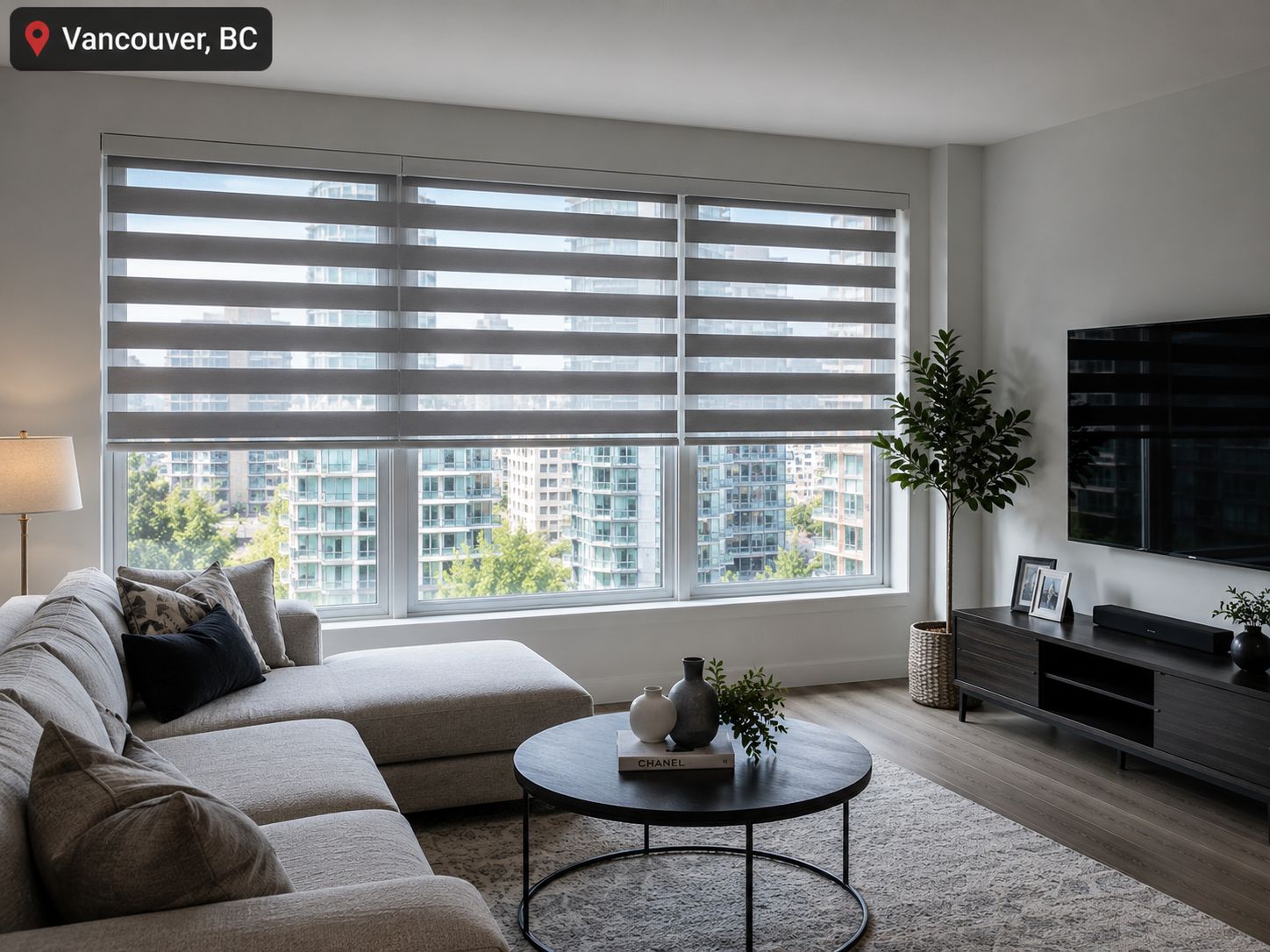
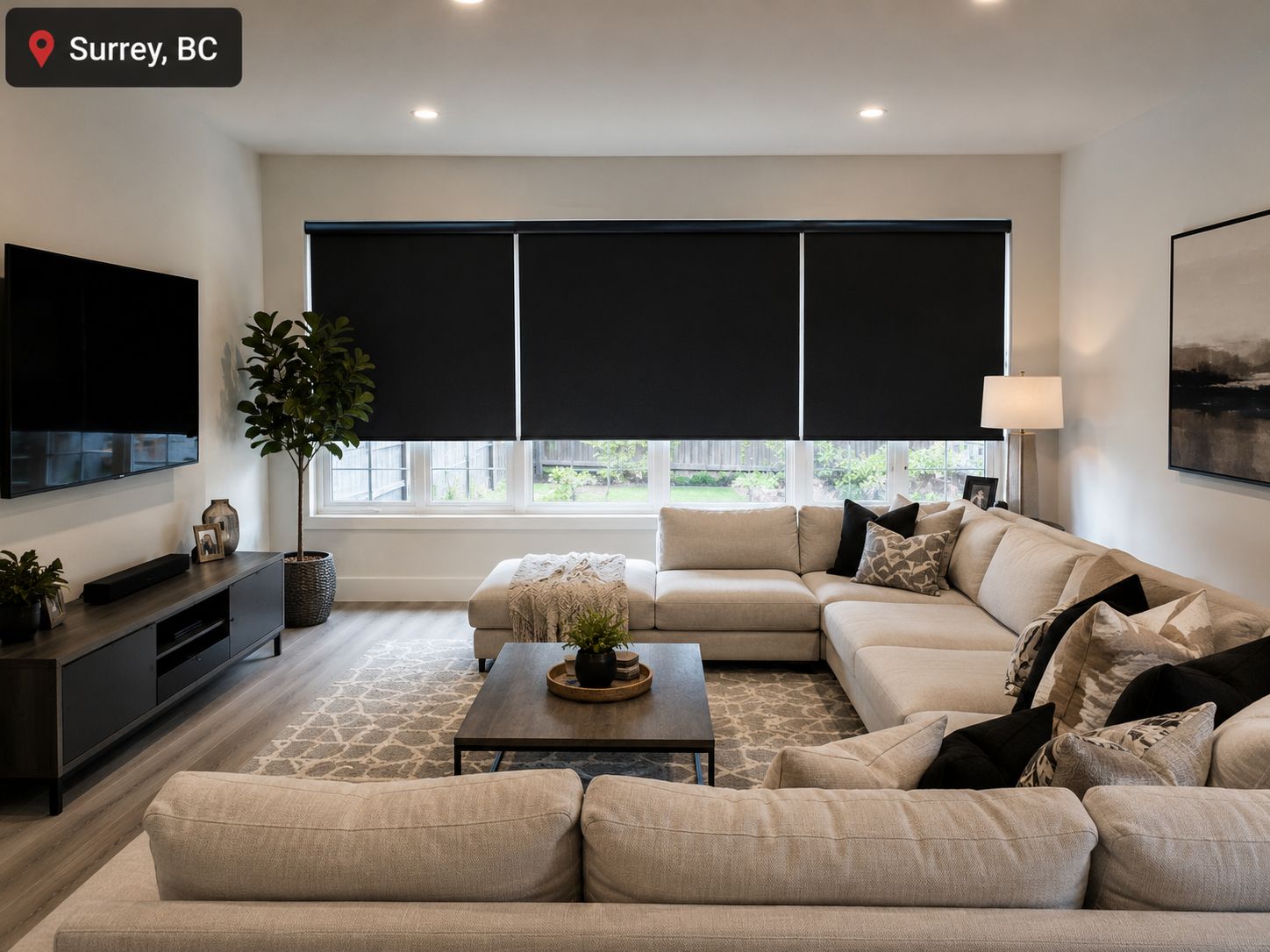
Types of Blinds and What Installation Involves
Different blinds call for different installation approaches, which is part of why experience matters. Roller shades and zebra (day-night) blinds are relatively straightforward to mount but still require the brackets to be level and evenly spaced for smooth, even operation. Blackout blinds need a tight, gap-free fit to actually block light the way they're meant to, especially around the edges.
Faux wood and vertical blinds involve heavier hardware and, for verticals, precise spacing between slats or vanes so they tilt and stack evenly. Honeycomb (cellular) shades are lighter but benefit from careful headrail alignment to keep their energy-efficiency and clean fold intact. In every case, the goal is the same: a fit precise enough that the blind operates the way it was designed to, not just one that technically hangs on the window.
Questions Worth Asking Before You Hire
A few questions tend to separate a solid installer from a risky one:
- Do you measure in person, or do I measure myself? In-person measurement catches issues DIY measuring misses — especially on older homes or non-standard windows.
- Is the quote fixed, or are there potential add-on costs later? A trustworthy installer gives you a clear, itemized quote upfront.
- What happens if something's off after installation? Ask whether follow-up adjustments or a warranty are included.
- How long has your team been installing in this area? Local experience means familiarity with the window types and building styles common in your neighborhood.
At SMI, every one of these starts with a free in-home visit — we measure your exact windows, walk through fabric and style options in person, and give you a fixed, no-obligation quote before anything is ordered.
What a Fair Quote Should Include
A trustworthy quote should be itemized and clear about what's covered: measurement, fabrication, installation, and any hardware or motorization upgrades. If a quote leaves out labor or installation costs entirely, that's worth asking about upfront, since it usually means a surprise charge later.
We keep this simple by including measurement and installation in every quote from the start — what we quote is what you pay, with no separate installation fee tacked on afterward.
What to Expect From the Installation Process
With SMI, the process starts with a free in-home consultation: we measure every window precisely and bring real fabric samples so you can compare options in your own lighting. Once you've chosen your blinds, they're custom fabricated to those exact measurements — no standard sizing, no gaps.
On install day, our team mounts the brackets level and evenly spaced, attaches and tests each blind for smooth operation, and sets up any motorized or smart home features on the spot. We clean up before we leave, so the only thing you're left with is a blind that works exactly as it should.
Maintenance Tips for Long-Lasting Blinds
Once installed, most blinds need very little upkeep. Regular dusting with a soft cloth or vacuum brush attachment keeps them looking sharp, and fabric blinds can typically be spot-cleaned with a mild detergent. It's worth periodically checking that brackets stay secure and, for motorized blinds, that batteries or power sources are charged — small checks that keep a well-installed blind performing well for years.
Frequently Asked Questions
Is professional installation worth it over doing it myself?
For a couple of small standard windows, DIY can work if you're comfortable with a level and a drill. But for larger windows, patio doors, motorized blinds, or anything custom-fabricated, professional installation is worth it — a small measuring error can throw off the fit on a blind that can't be returned once it's made to size.
What does a free in-home estimate actually involve?
One of our specialists visits your home, measures your windows precisely, and brings real fabric samples so you can see and feel the options in your own lighting. You'll leave with a fixed quote and zero obligation to book.
Making the Right Choice for Your Home
The difference between blinds that look great for years and ones that start sticking within months almost always comes down to installation. Choosing an installer who measures precisely, quotes transparently, and stands behind their work is what actually protects your investment — not just picking the right fabric or color.