 SMI Window Blinds & Coverings
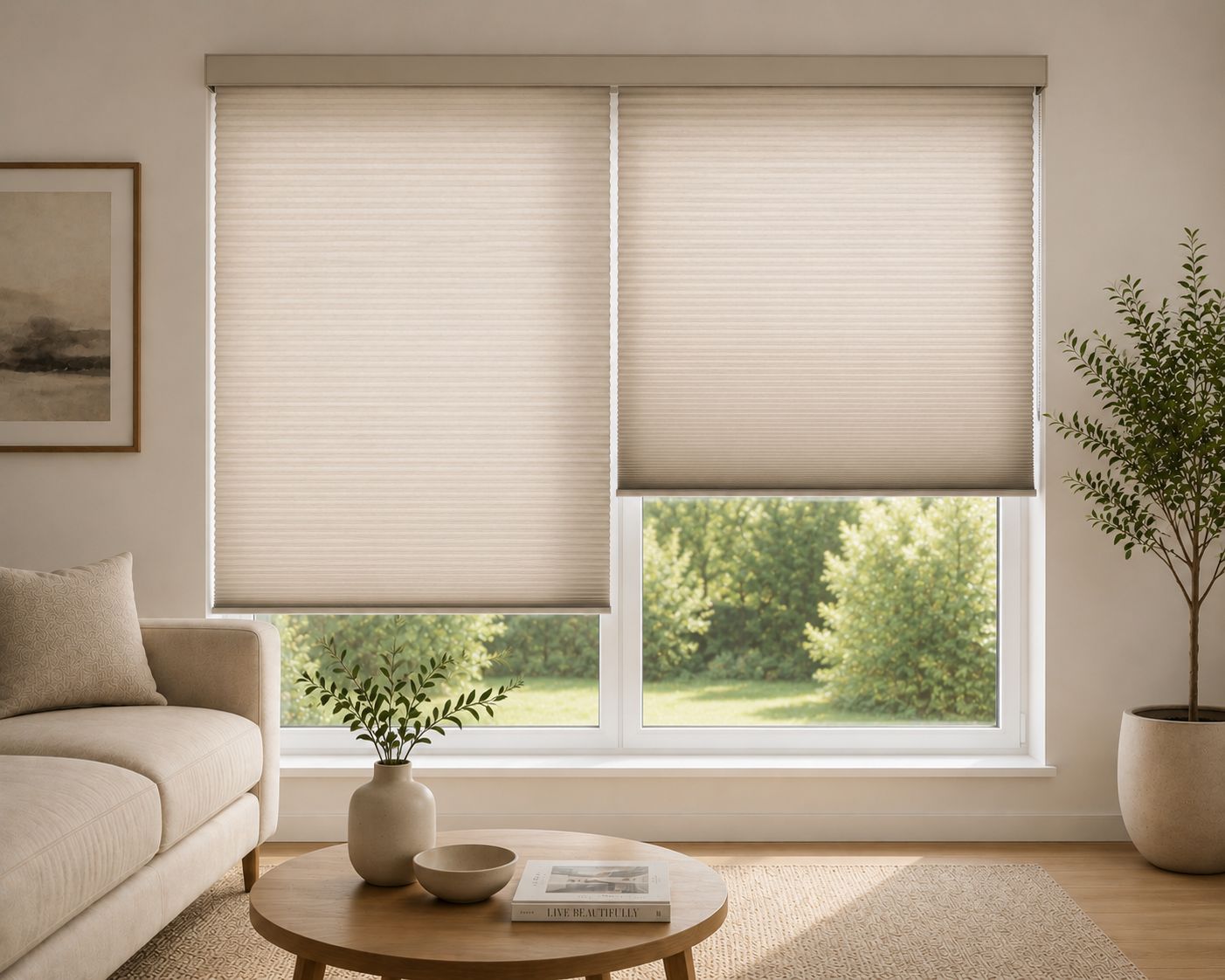
Understanding Your Blinds Before You Clean Them
How you clean and care for your blinds depends a lot on what they're made of. Roller, zebra, and blackout shades are a single sheet of fabric that rolls up and down — low maintenance, but the fabric itself needs gentler handling than hard materials. Vertical blinds use fabric or vinyl vanes that hang and rotate side to side, so both sides of each vane collect dust. Faux wood blinds are durable, moisture-resistant slats that hold up well to regular cleaning, while honeycomb (cellular) shades trap air in fabric cells for insulation — a more delicate structure that calls for a lighter touch.
Why Regular Cleaning & Care Matters
Dust, dirt, and allergens accumulate on blinds over time, which affects indoor air quality and can be a real problem for anyone with allergies or respiratory sensitivities. But total care goes beyond just dust: sun exposure fades and weakens fabric, cords and lift mechanisms wear down without occasional attention, and neglect in any of these areas can shorten a blind's lifespan well before it should need replacing. Regular cleaning keeps blinds looking sharp; ongoing care is what keeps them functioning smoothly for years.
Essential Tools & Supplies
Most blind cleaning only requires a few basics: a microfiber cloth or duster for regular dusting, a vacuum with a brush attachment for hard-to-reach areas, and a mild solution of water with a little dish soap or vinegar for deeper cleaning. A spray bottle helps control how much solution you're applying, and a step stool makes it easier to reach the top of taller windows and patio doors safely.


Cleaning Roller, Zebra & Blackout Shades
Since these are a single fabric sheet, start by dusting with a microfiber cloth or a vacuum brush attachment, working top to bottom. For deeper cleaning, lightly mist a mild soap-and-water solution onto a cloth (not directly onto the fabric) and wipe gently, avoiding oversaturation — too much moisture can leave water spots or affect blackout coating on some fabrics. Let the shade air dry fully before rolling it back up.
Cleaning Vertical Blinds
Dust both sides of each vane, since they collect dirt on the front and back differently depending on which way they're facing. A microfiber cloth or vacuum brush works for routine dusting; for grime, wipe each vane individually with a lightly dampened cloth rather than spraying directly, and dry thoroughly afterward to prevent water spots or, for fabric vanes, mildew.
Cleaning Faux Wood & Honeycomb Blinds
Faux wood is fairly forgiving — it's moisture-resistant, so a slightly damp cloth and mild solution works fine for wiping down each slat, then dry to avoid streaking. Honeycomb shades need more care: their fabric cells trap dust inside the folds, so a low-suction vacuum brush or compressed air works better than wiping, which can crush the pleats. Avoid soaking honeycomb fabric altogether — spot clean only, and let it air dry fully extended.
Protecting Blinds from Sun & UV Damage
Patio doors and south-facing windows get the most direct sun, and over time UV exposure fades color and can make fabric brittle. Solar and light-filtering fabrics are built to handle this better than others, but even durable materials benefit from occasionally rotating slats to redistribute wear, and keeping blinds fully raised (rather than half-closed) when a room isn't in use reduces concentrated sun exposure on one section of fabric.
Caring for Mechanisms, Cords & Motorized Blinds
Chains, cords, and lift mechanisms need occasional attention too. Check periodically that brackets are still secure and that chains or cords move smoothly without catching. Avoid yanking or forcing a blind that feels stuck — that's usually a sign something needs adjusting, not more force. For motorized blinds, keep batteries charged or check the power connection regularly, and avoid manually forcing a motorized shade, which can strain the motor.
Common Mistakes That Shorten a Blind's Lifespan
- Using harsh chemicals or abrasive scrubbing — mild soap and a soft cloth is almost always enough.
- Oversaturating fabric or honeycomb shades — excess moisture causes water spots, warping, or mildew.
- Only cleaning one side of vertical or venetian-style vanes — leads to uneven buildup and appearance.
- Forcing a stuck mechanism instead of addressing what's actually catching.
- Leaving blinds half-closed in direct sun for long periods, which concentrates fading on one section.
Eco-friendly option: a simple water-and-vinegar mix (equal parts) handles most grime without harsh chemicals, and works well on faux wood, vinyl, and most fabric shades.
When It's Time to Replace, Not Just Clean
Good care extends a blind's life significantly, but no amount of cleaning fixes fabric that's faded and brittle, a mechanism that's genuinely worn out, or a look that no longer fits your space. If you're noticing any of that, it's usually more cost-effective to replace than keep patching a blind that's past its useful life. When that time comes, we offer a free in-home measurement and quote — no pressure, just an honest look at whether repair or replacement makes more sense for your windows.
Keeping Your Blinds Looking & Working Their Best
Total blind care is really just two habits working together: regular cleaning suited to your blind's material, and a bit of attention to the things cleaning alone doesn't cover — sun exposure, mechanisms, and knowing when a blind has reached the end of its life. Keep up with both, and your blinds will look sharp and operate smoothly for years.